
Fashion History: The Breton Stripe

Fashion History the breton stripe

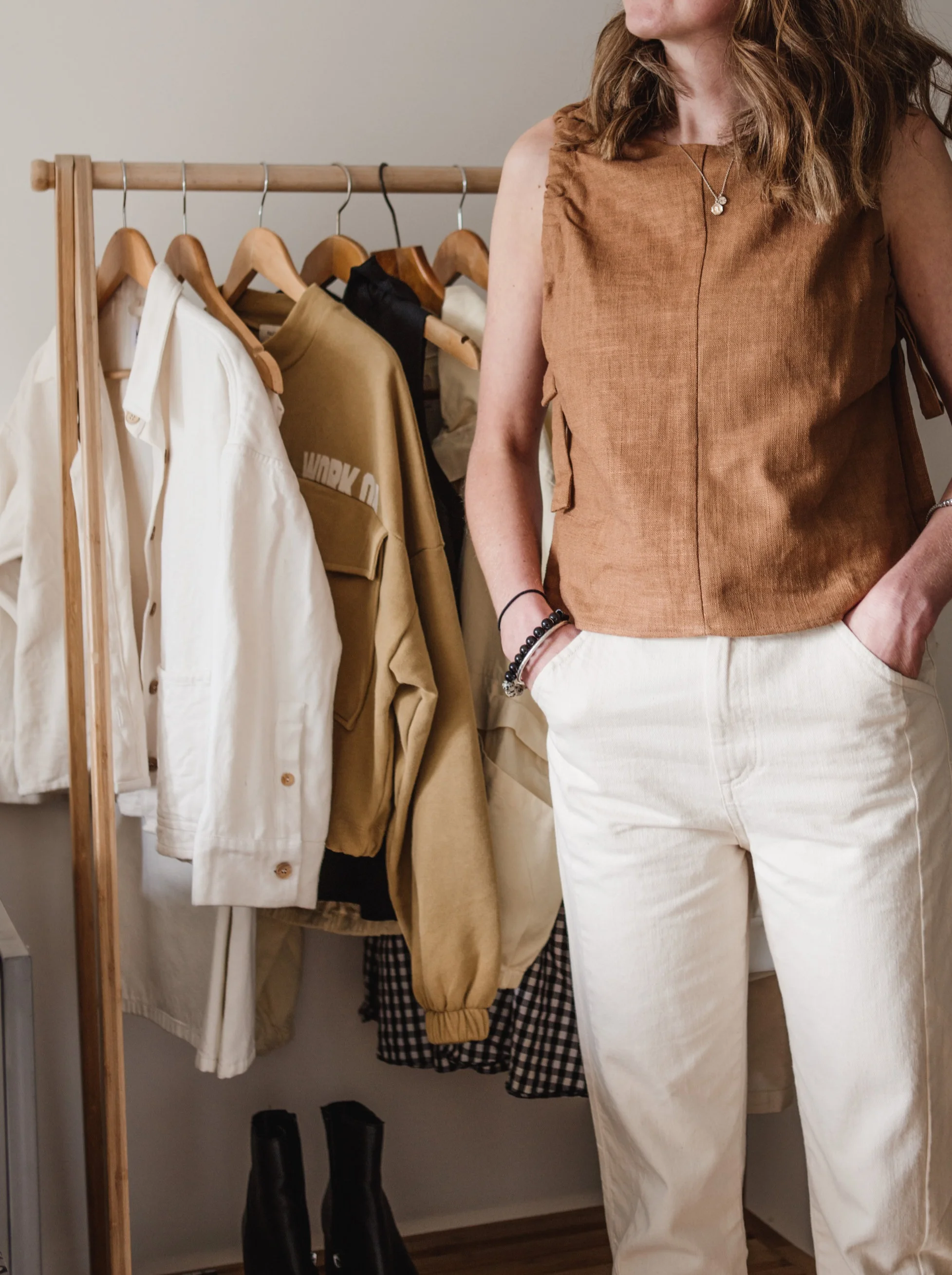
I wear Breton stripes at least a few times a week, they're my go to and have been a staple in my wardobe for years.

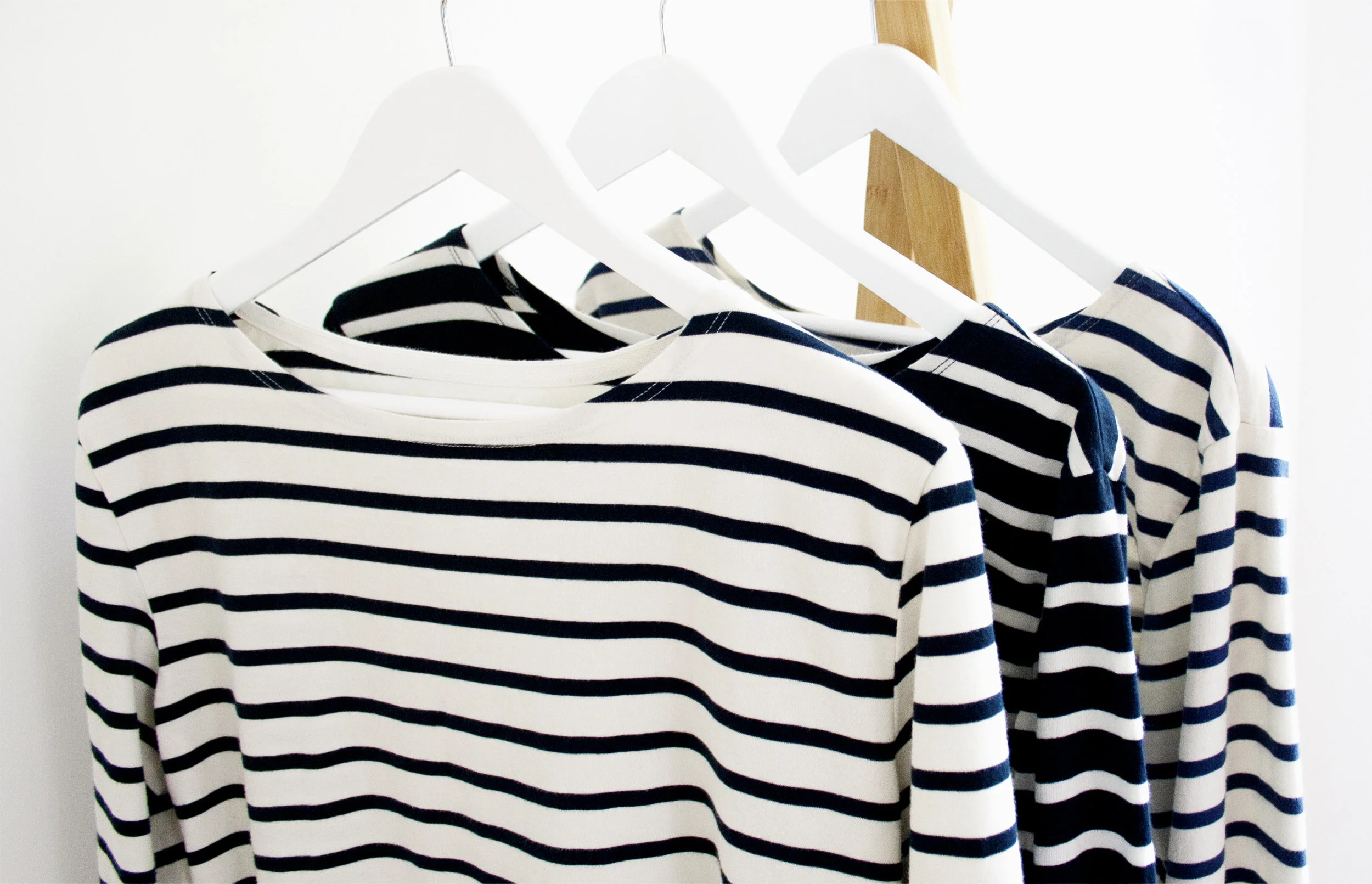
The legacy that was started by Brittany sailors continues today. As a fashion buyer I know only too well how popular and profitable the Breton top continues to be, every clothing brand I've ever worked for has sold these items in large volumes. Whether they're short sleeved, vests, multi coloured or of the traditional long sleeved variety, they're the defining items of many brands.

In my opinion the best are from Petit Bateau, they're the right side of slouchy and have a wide, boat neck. Petit Bateau's are also heavier, the thinner high street versions just can't compete. 

Fashion History the breton stripe

The history of fashion is usually a little unexpected and The Breton is no exception. It began after an official decree (The 1858 Act of France) introduced The Breton top as the uniform of the French Navy in Brittany. Apparently the stripes made seamen easier to spot if they went overboard. I always find it so interesting that something functional can be the beginning of such a ubiquitous fashion item. 
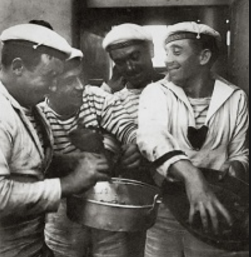
Breton Sailors
Breton Sailors

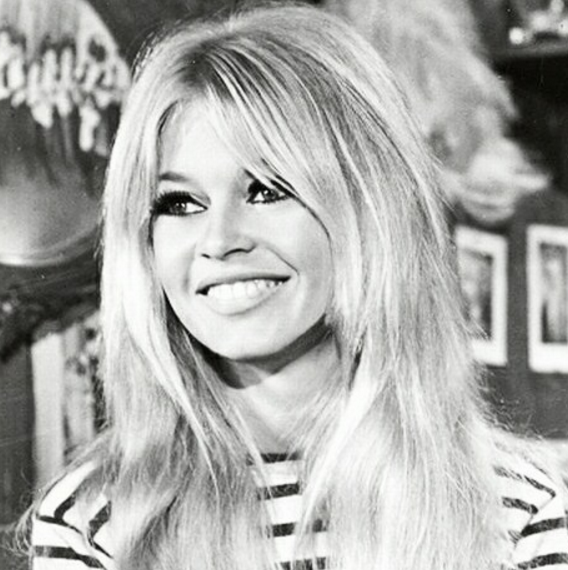
Brigitte Bardot

Brigitte Bardot

With a reference to it's maritime heritage The Breton is often referred to as a Mariniere and traditionally includes 21 stripes, one for each of Napoleans victories at the time. 

Nautical style was later made fashionable by the upper classes in the 1870's, mainly in France and England. At this time it was pink, green and red. Later, Coco Chanel's 1917 nautical collection brought the classic Breton to the fashion fore, having been inspired by Breton fisherman while at the coast. 

Throughout the 20th century the Breton was synonymous with artists and stylish creative types; Pablo Picasso, Jean Paul Sartre, Brigitte Bardot and the Beatniks of the 50's and 60's springing to mind.
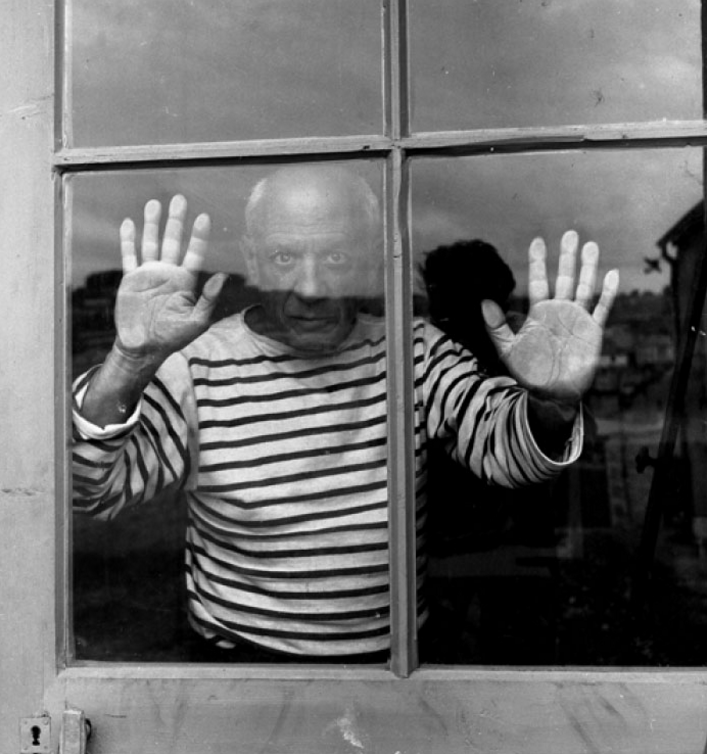
Pablo Picasso

Pablo Picasso

More recently it continues to influence the aesthetic of many designers, Jean Paul Gaultier being the most obvious. Today it's synonymous with classic dressers like Alexa Chung. 

For me, it's longetivity is in it's simplicity, ease and effortless style. It doesn't try to look stylish, which means it invariably does. A classic breton looks right on everyone, regardless of who you are, your age, colour or gender. I can't think of anyone I know that doesn't have one in their wardrobe, from my boyfriend, to my mum or my friends little ones. Even Cub, my Springer Spaniel, has some stripey items that look great on him. 
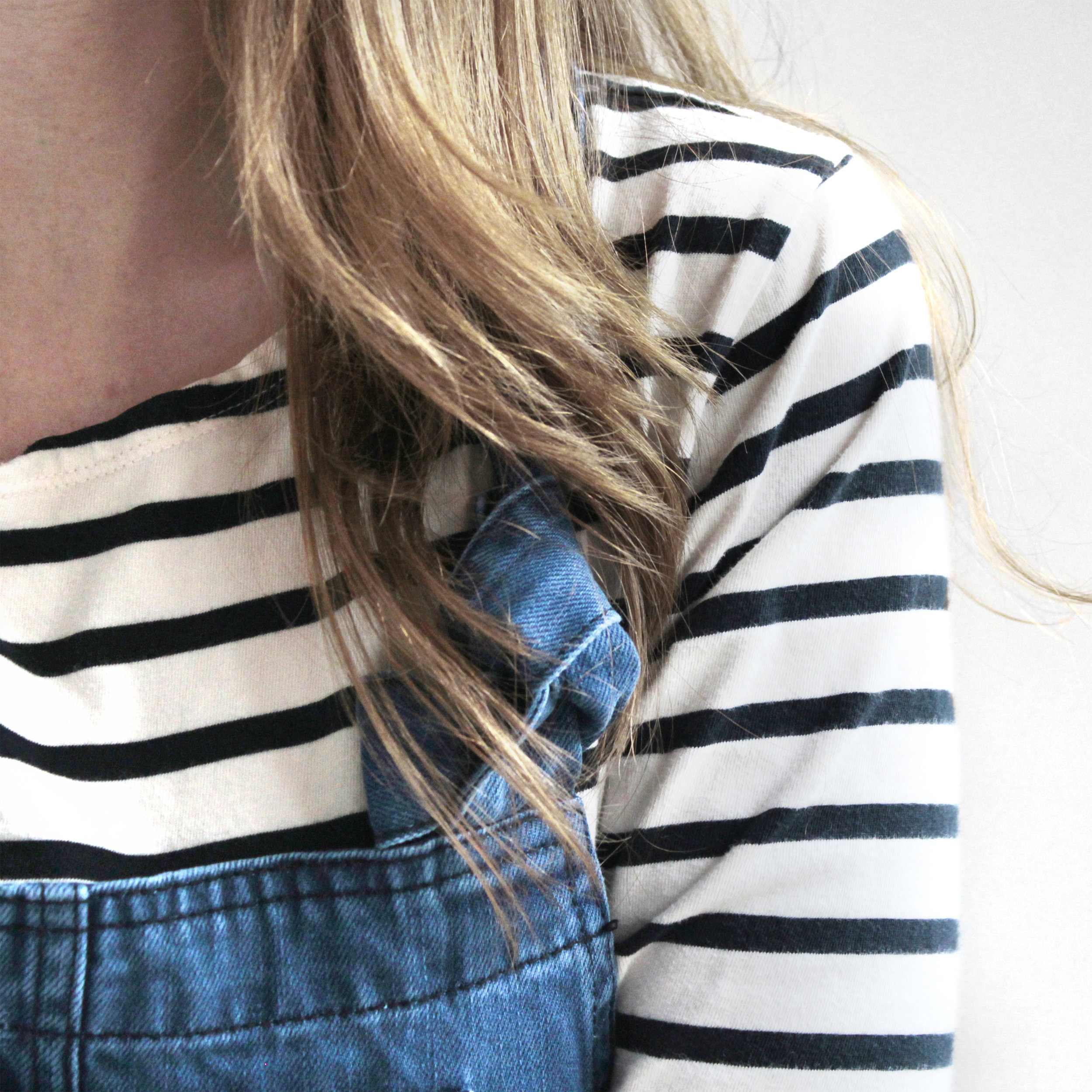
Fashion History the breton stripe

Fashion Buying: what does a fashion buyer do?

I often get asked how to get into fashion buying and what a fashion buyer actually does (I sometimes get asked both simultaneously which always gives me a little chuckle). I think this interest comes from the perception that being a buyer is glamorous, that it's a life filled with days of attending fashion shows, flicking through rails of clothes and travelling the world. 

Fashion buying what does a fashion buyer do?

Whilst there's definitely an element of the more fabulous side of life (once you get to the higher levels) there's also a bit more to it than that. It's a ridiculously varied and pressured job role that keeps you on your toes at all times. One moment a buyer will be trend spotting at a festival with their designer and the next they'll be signing off their range to board of directors. 

It's a super competitive field and it's definitely not for the faint-hearted but it's a great industry for those that really love fashion and have the right balance of skills.

Basically, fashion buyers are retail experts in sales analysis, future trends, customer knowledge, negotiating and planning. They predict what customers want years before they realise they want them. They are responsible for planning ranges that are profitable and commercially viable. They utilise sales data, trend analysis, knowledge of the market and the customer to create products that are competitive. 

In addition to creating the initial objectives for their department, they analyse customers buying patterns, pricing structures and reactions to trends, ensure quality levels and plan ranges that fit into assigned budgets.

They liaise and communicate with each function of a business to ensure productivity and effective ways of working. They are the function that brings the others together to work together in unison,  most notably the design, merchandising and garment technology departments. 

On a day to day basis they keep their knowledge of trends up to date (this is where the shopping and catwalks comes in), review current sales, plan for future ranges, meet suppliers, present their ranges to management, visit stores, manage the critical path of their styles, attend fit sessions and manage their teams. 

Buyers are highly organised, driven people with great communication skills and commercial acumen. They are often (but not always) the pivotal function in a companies product team, they're usually the team with ultimate responsibility for the success of a range. 

Find out more about me and the role on the rest of this site, particularly in the about me section and on the rest of my blog.

Travel: Barbara Hepworth's Museum, St Ives

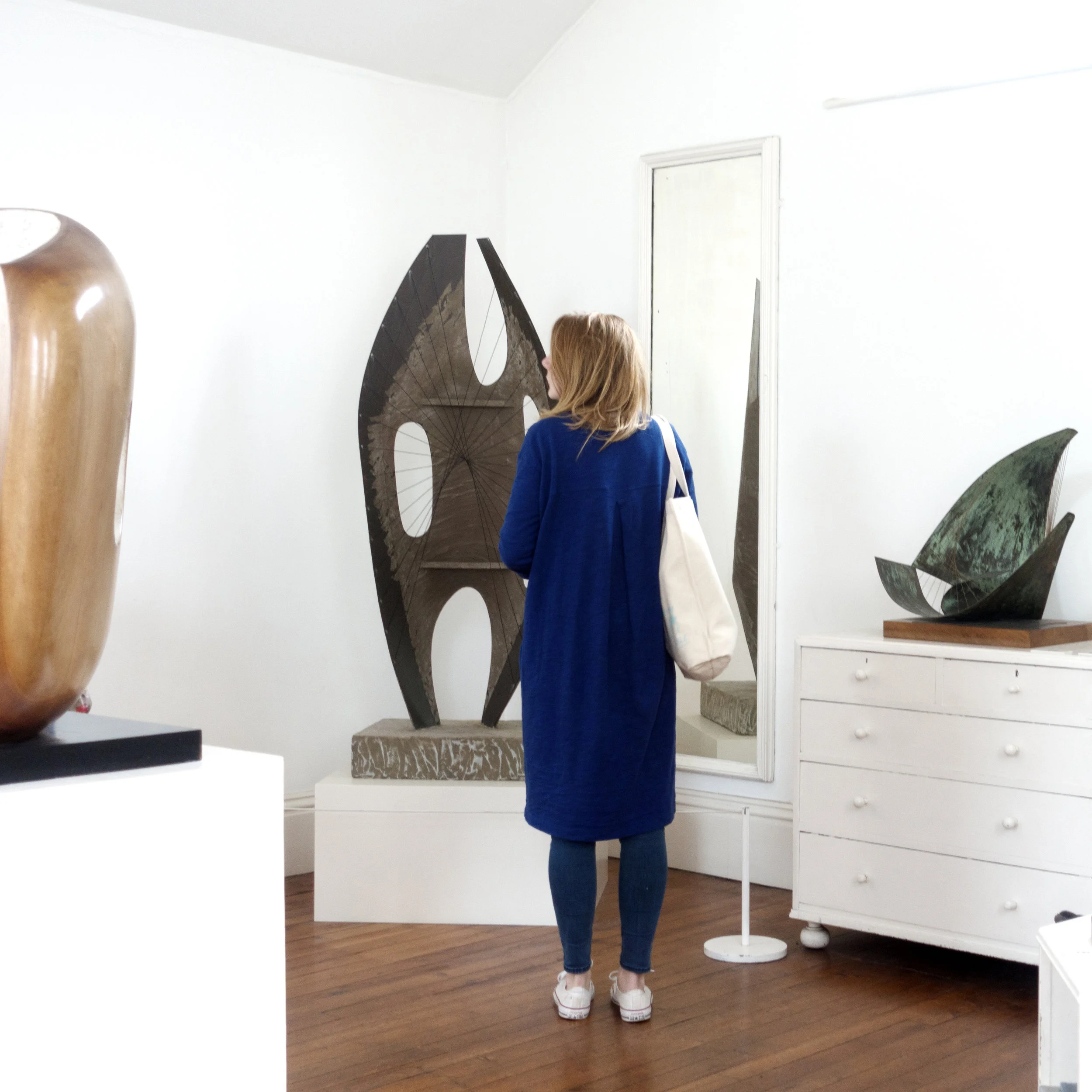
James and I visited Barbara Hepworth's Museum and Sculpture garden a while ago and I totally fell in love with this space. She once described finding the studio as 'sort of magic' and I can see why.

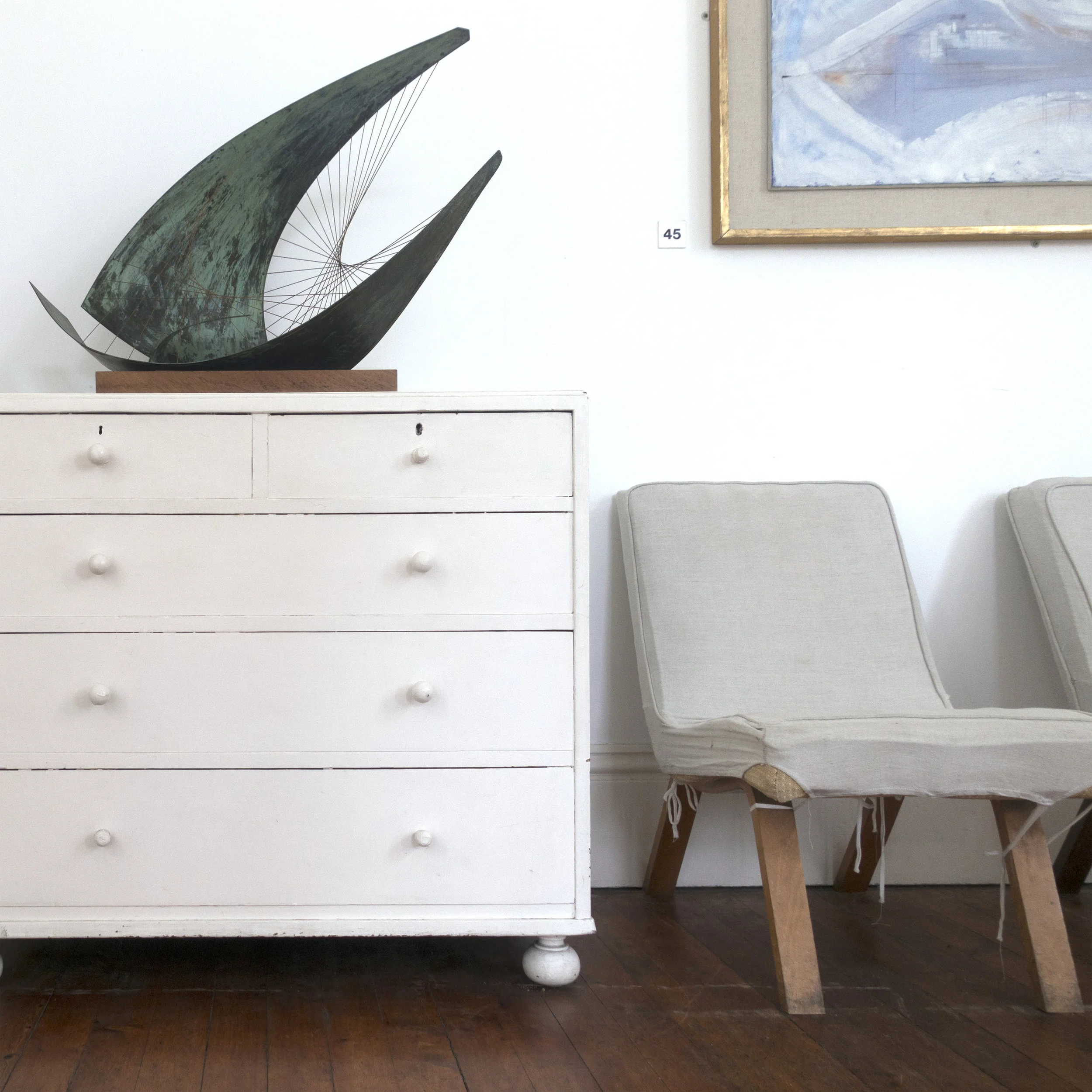
We spent the afternoon wandering around the pretty gardens and museum admiring the beautiful wood, stone and bronze sculptures. It's such a tranquil place and well worth a visit if you're in the St Ives area.

Travel: Barbara Hepworth's Museum

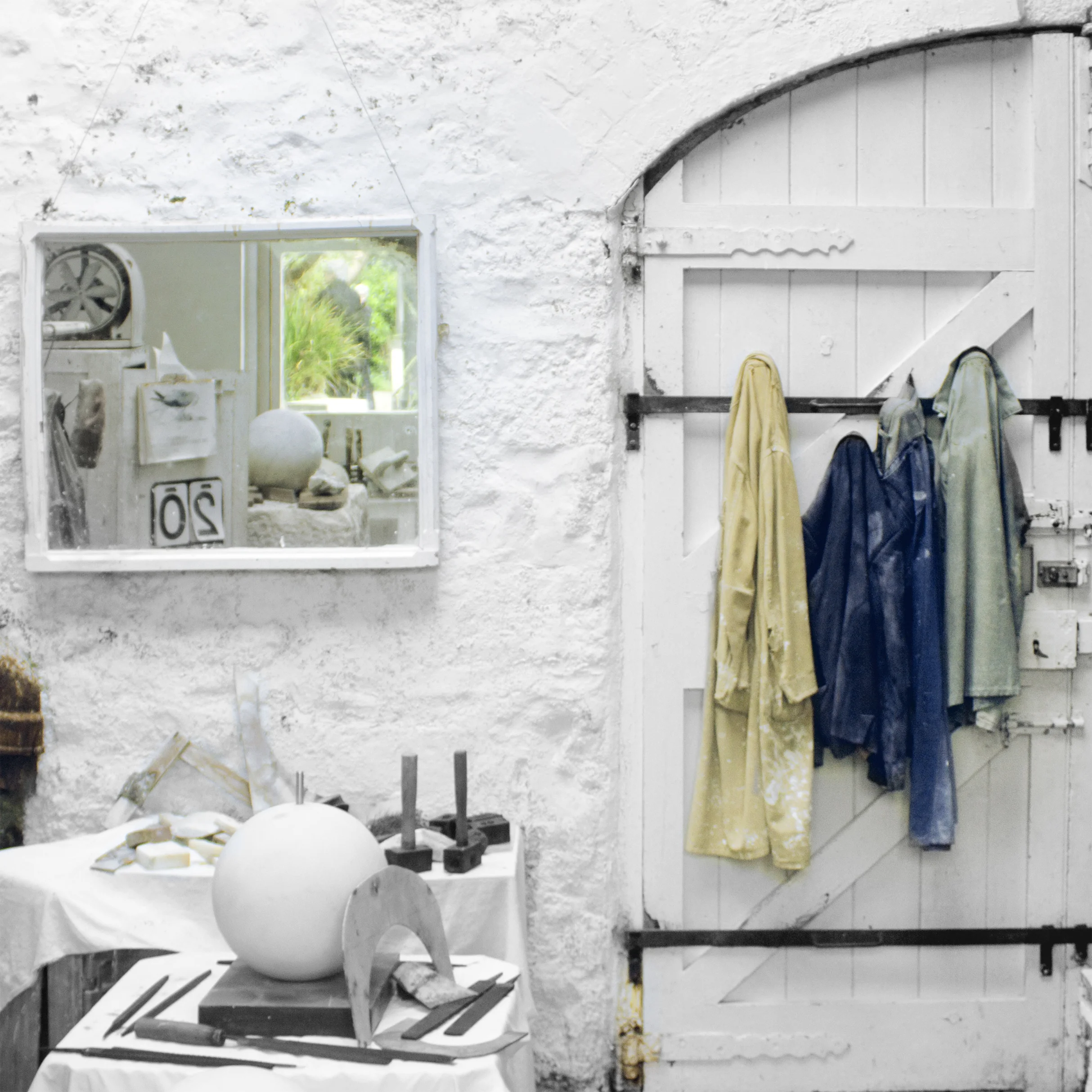
For me her studio area was a highlight, it housed half finished sculptures, aprons and various tools. I couldn't help but imagine myself working there. The greenhouse was a close second with its collection of succulents (I'm a sucker for these prickly little guys) and climbing plants. It inspired us to think about converting part of our house into a studio and painting our whole house white!

Barbara Hepworth's museum St Ives

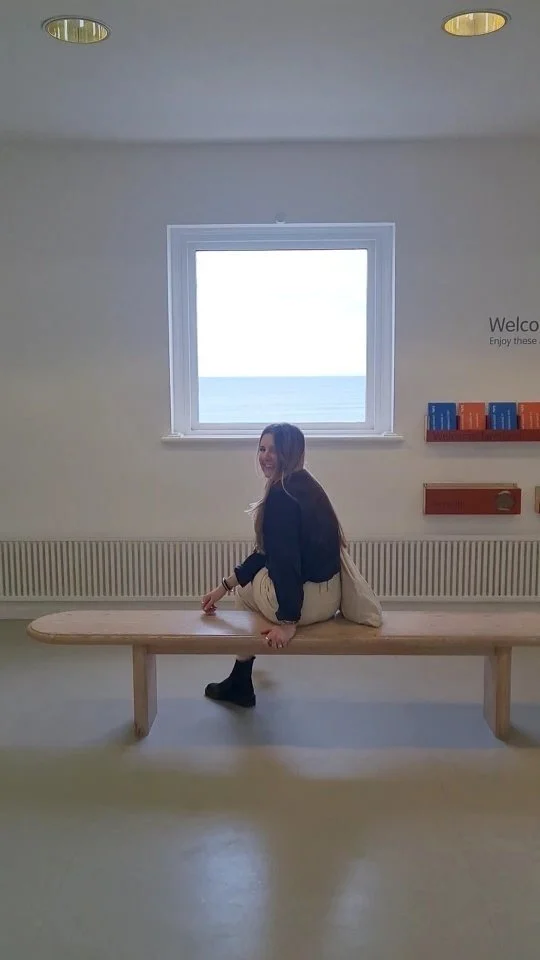
It's worth popping into the museum after a wander around the white washed buildings of St Ives. I hadn't been to the town in a while and had forgotten how beautiful the light is, no wonder it's attracted so many artists over the years. 

Next stop their sister museum in Wakefield!

Barbara Hepworth's museum St Ives


Opening Times: Open everyday (except 24-26th December) - 10:00 to 17:20 (last submission 17:00)

Cost: £6.60/£5.50 concessions (without donation £6/£5)

Where: Barnoon Hill, St Ives, Cornwall, TR26 1AD

Email: visiting.stives@tate.org.uk
Call: +44 (0)1736 796 226

Food: Strong Adolfo's, Cornwall

Strong Adolfo's Cornwall

Strong Adolfo's is beloved by locals both young and old for it's beautiful, fresh and local ingredients. They serve, what I have long considered to be, the best breakfast buttie in the world.

Situated on the Atlantic Highway in North Cornwall, it's usually filled with families from nearby Padstow and Wadebridge. It offers excellent breakfasts, Origin coffee and a varied and interesting lunch time menu, often featuring recipes inspired by far off places. 

The cakes are out of this world too, in addition to a changing lunchtime menu the cake selection is wide and constantly evolving. I've had some of the best cakes of my life from Strong Adolfos. 

Strong Adolfo's Cornwall

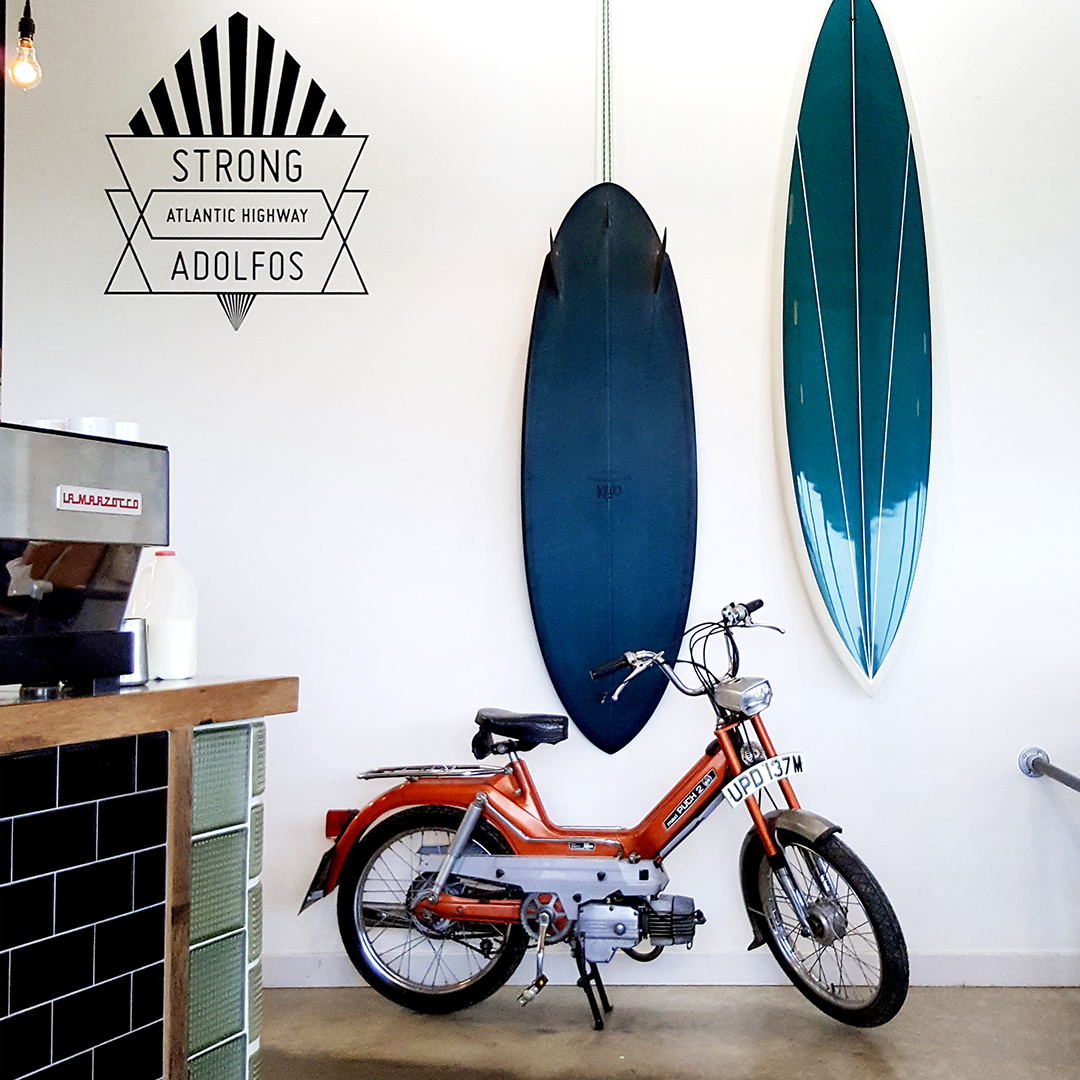
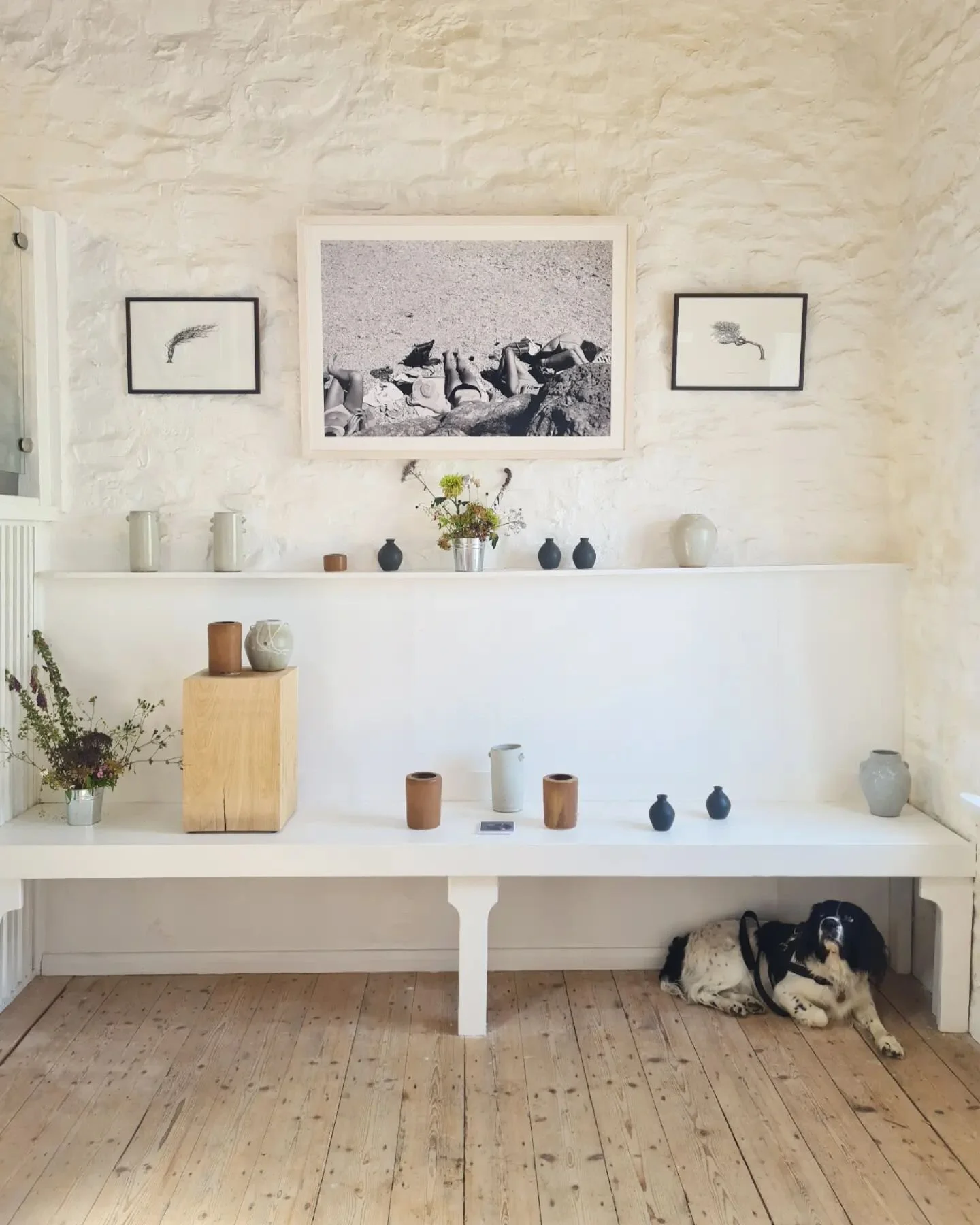
The staff and owners are all very welcoming and the decor is great, featuring surfboards and the odd motorbike. They also welcome dogs inside and have a good sized outdoor space to admire the view and passing tractors. 

I think it's safe to say this is one of my favourite places to relax and enjoy some excellent food. It's a great spot for shopping as Jo and Co, The Goose Shed and The Arc food store are all in the same spot. 

Open: Monday to Friday 8:30 - 4:30, Saturday 9 - 5 and Sunday 9 - 4:30. 

Breakfast until 11:30 and lunch from 12:15

Call: 01208 816949

Where: Hawksfield, A39 Wadebridge, Cornwall, PL27 7LR